












How Bulk Email Verification Services Improve Email List Quality and Delivery
What Are Bulk Email Verification Services?
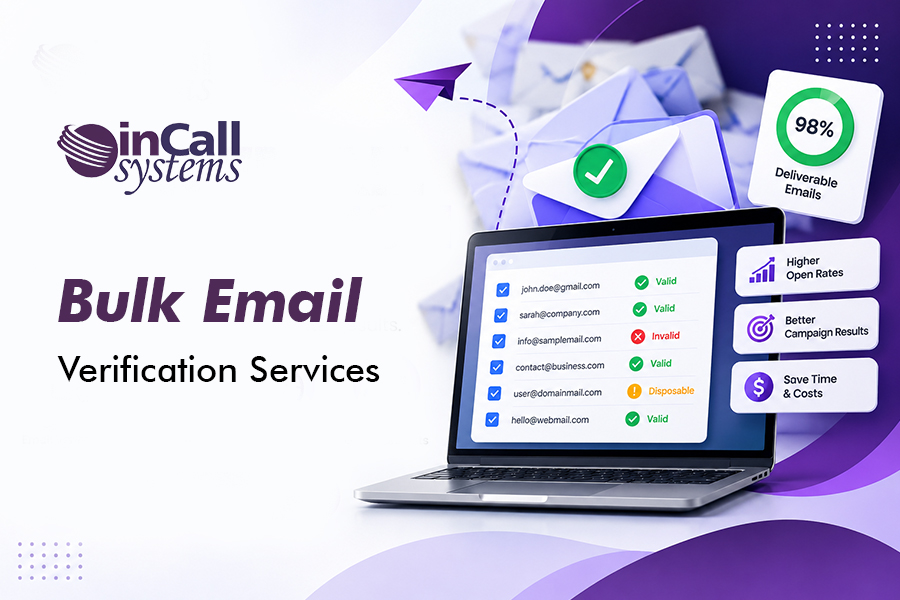
Bulk email verification services allow for the checking of a large number of email addresses and informing the customer about the emails that can be safely used for sending email campaigns. After uploading a CSV or a spreadsheet file, the software verifies each email without sending any email messages. The result is a classification into legitimate, invalid, dangerous, and unknown categories, which means that the customer knows what to do next. As an example, InCall Systems also experienced such an issue, as the healthy email list that was built two years ago has transformed into dozens of useless and incorrect email addresses today. One can say that this is due to job changes, domain closures, and mistakes in the signup form used when collecting emails. With the help of an email checker, the customer will be able to avoid reputation problems, which is possible due to the detection of a declining email list.
Why Email List Validation Matters for Businesses
The Real Cost of a Dirty List
Bad data can steal money and reputation through the use of email list validation services. Your email service provider will charge you a fee for each message sent to a bounce address. Google and Outlook also keep track of your bounces. The result? They see you as untrustworthy, and your good emails do not reach the inbox. Ultimately, a bad database makes salespeople lose money due to useless attempts to contact businesses. In addition, the costs incurred due to the bad database are spread across the entire industry:
- Sender reputation remains
- Campaign reports show engagement
- Budget goes to people who can receive your message
- Email Verification Services Improve Email Delivery
- Cutting Bounces Before They Happen
Your message must reach an actual mailbox to be delivered. Bulk email verification services verify syntax, domain presence, MX records, and a mailbox-level test with the receiving server. Your hard bounce rate is low since failed addresses are flagged before sending. When bounces exceed a certain percentage, most email platforms warn or suspend accounts. Cleaning your list also improves marketing data trust. Instead of blaming subject lines for list issues, evaluate open and click rates against valid recipients to see how your content is going. Within their first cleaned campaign, teams find that delivery records highlight patterns they can act on instead of unexplained failures.
Protecting Your Sender Reputation
Sender reputation is the rating email service providers give to your domain and IP address, influencing placement in the inbox, promotions, and spam folder. Email verification services manage this rating. Remove trap emails and inactive email accounts so you don’t get blocked. Furthermore, stopping the use of temporary and role-based emails will decrease people’s inactivity with the mail service. People´s engagement with your emails and low complaints prove to providers that people want to get your emails. Take preventative measures, as reputation building is slow and reputation loss is instantaneous. One bad email campaign to the old database may backfire and take weeks of not sending emails to recover.
What Types of Invalid Email Addresses Can Verification Identify?
Common Problem Addresses
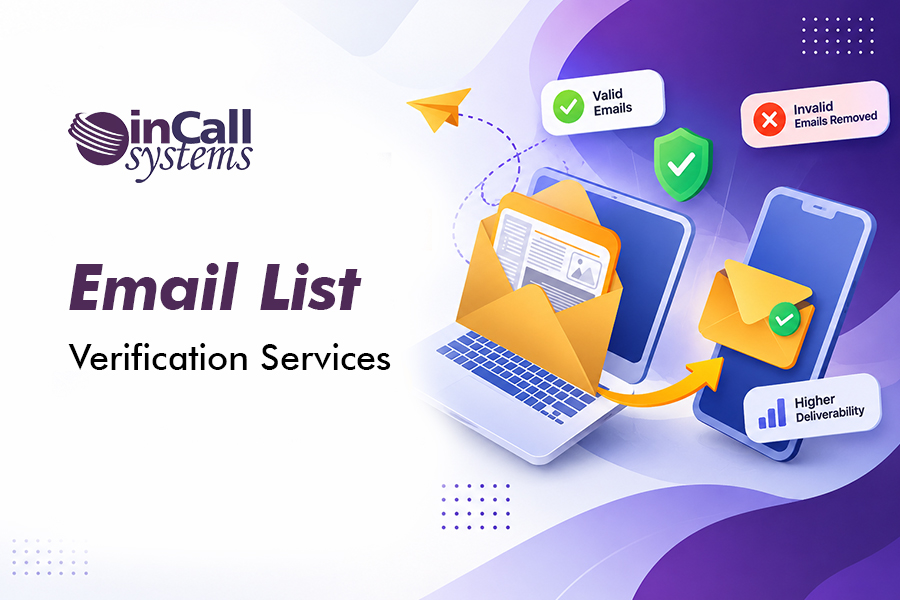
Different bad addresses seem different, and a good verification method distinguishes them so you can decide what to do. Missing “@” or “gmail.com” are the easiest syntax errors to spot. Others need server-level testing; therefore, bulk email verification providers charge. A comprehensive inspection usually reveals:
- Invalid or non-existent mailboxes: domain works, but user doesn’t exist
- Disposable addresses: One-time sign-up inboxes
- Role-based addresses: Multiple persons share info@, sales@, or support@ accounts
- Catch-all domains: Servers that accept everything, making status ambiguous
- Spam traps are addresses employed by ISPs to catch irresponsible senders.
- Duplicates: Repeated records that increase list size and send count
Risky and catch-all results should be judged, not deleted. Some are good to keep and monitor, while others should be eliminated based on sending volume.
When Should You Use Email List Validation Services?
It is recommended to use email list validation services before a list is used in a campaign, rather than after difficulties arise. Before reactivating, verify any old list since contacts idle for a year or more are most likely to bounce. Because their quality varies and you rarely know how they were gathered, verify purchased, rented, or event-collected lists. For frequent senders, plan cleanups, while those with steady sign-up forms review new entries as they arrive. Some scenarios require verification:
- Before a big announcement or product launch
- After importing contacts from a new CRM or trade show
- When bounce rates or spam complaints rise
- Long time since mailing
- Before switching email platforms
- How Email Verification Supports Better Marketing Data
Cleaner Records, Smarter Decisions
Marketing data is useless without reliable records. Verified emails allow for accurate segmentation, personalization, and attribution because each contact can be reached. Teams gain more value by combining verification with outreach research like LinkedIn contact extraction. As people change roles, professional network contact addresses get stale; therefore, check them before entering your CRM to avoid duplicates and dead leads. Form, webinar, and partner list data are similar. Sales and support personnel spend less time chasing contacts that never existed with a clean database. Over time, bulk email verification services become part of your data maintenance rather than an emergency tool. Cleaner inputs lead to cleaner reports, which lead to confident budget decisions.
How to Choose the Right Email Verification Service
To Look For
Compare based on quality, not price, as services vary. Since accuracy varies in catch-all domains, ask how the service handles them. Check turnaround time for large files, category-based downloads, and how uploaded material is stored or destroyed. If your list contains client data, consider privacy concerns. API integration or email platform links can save hours of laborious work. Testing support quality before committing is important since ambiguous results come up more often than expected. Look for these basics:
- Clear outcome categories, not just pass/fail
- Clear price without surprises
- Uploading and deleting files securely
- Fast large-list processing
Matching the Service to Your Workflow
After learning the principles, consider how verification suits your daily routine. Sales teams importing leads daily and monthly newsletter teams need different things. Start with a small example file and compare the findings to your contact knowledge. Scale up with confidence if the service labels evident problematic addresses accurately. Pairing verification with wider reporting helps, and Data Analysis services can reveal how list quality affects open rates, conversions, and income over time. That broader perspective makes cleaning better. inCall Systems makes this method practical so you can spend less time troubleshooting lists and more time reading messages. Whatever you select, set a plan, record your results, and reconsider your supplier as your list expands and your goals change.
FAQs
How often should I use bulk email verification services?
Use bulk email verification services prior to sending any mass mail and every quarter on the active lists. Remember to verify new sign-ups and to validate prior contacts before resuming communication.
How do email list validation services help improve email campaign performance?
Email validation will weed out all invalid email addresses, thus giving you the actual audience in the opens and clicks. Improved data will result in better deliverability and sender reputation.
How can I choose the right email verification services for my business?
When deciding which email verification services to use, pay attention to reliability, speed of service, privacy policies, available integrations, and the price. You may begin using the service with a small list and increase its size depending on the results.










Leave a Reply